1. Objective Overview
DarkMatter Market Onion operates as a decentralized cryptographic infrastructure hosted exclusively within the Tor network as a hidden service. Observers note that the platform focuses heavily on the exchange of digital goods, software, and anonymity-enhancing services, leveraging advanced routing topologies to obscure the origin and destination of its traffic.
Established as a response to the vulnerabilities recognized in older darknet architectures, DarkMatter prioritizes operational security (OpSec) through enforced cryptographic layers. It functions autonomously, mediating transfers between independent merchants and users while abstaining from utilizing centralized financial ledgers.
Platform Specifications
- Network Type Tor (.onion)
- Primary Ledger Monero (XMR)
- Authentication Strict PGP
- Design Philosophy Walletless
2. Deployment Timeline
Core infrastructure deployment. Initial testing of load-balanced Tor routing nodes and failover mirror generation. Development focused on asynchronous server processing to mitigate traditional denial-of-service vulnerabilities frequently targeting hidden services.
Implementation of the Monero (XMR) exclusive ledger system. By completely rejecting transparent blockchains, the architecture achieved a decoupled financial flow, vastly complicating heuristic analysis of market volume by external parties.
Finalization of the multisignature escrow and walletless checkout mechanisms. Strict PGP operational requirements were activated for all participating merchants to establish cryptographic identity persistence across the network.
3. Architectural Analysis
Multisignature Escrow
Funds are not held entirely by the central platform. A 2-of-3 multisig protocol ensures that capital requires authorization from two distinct parties (user, merchant, or moderator) to clear, removing single points of financial failure.
Walletless Protocol
Users maintain zero enduring balance on the server. Transactions are funded directly per order. This minimizes infrastructural target value, rendering structural attacks economically unviable for adversaries.
Cryptographic Identity
Email addresses and standard passwords are obfuscated or replaced entirely by PGP-based 2FA. Identity is proven mathematically via asymmetric key pairs, nullifying credential stuffing vectors.
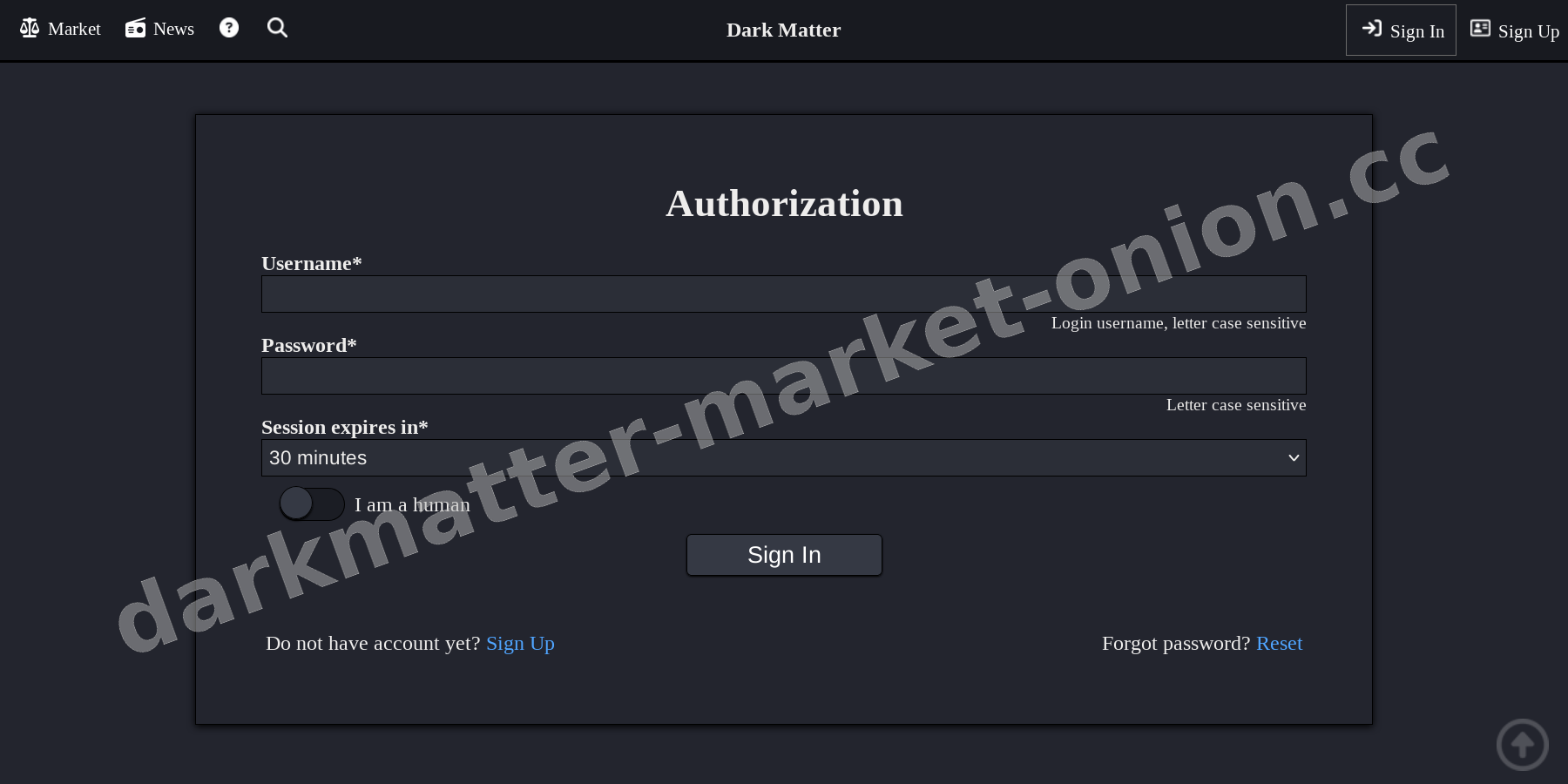
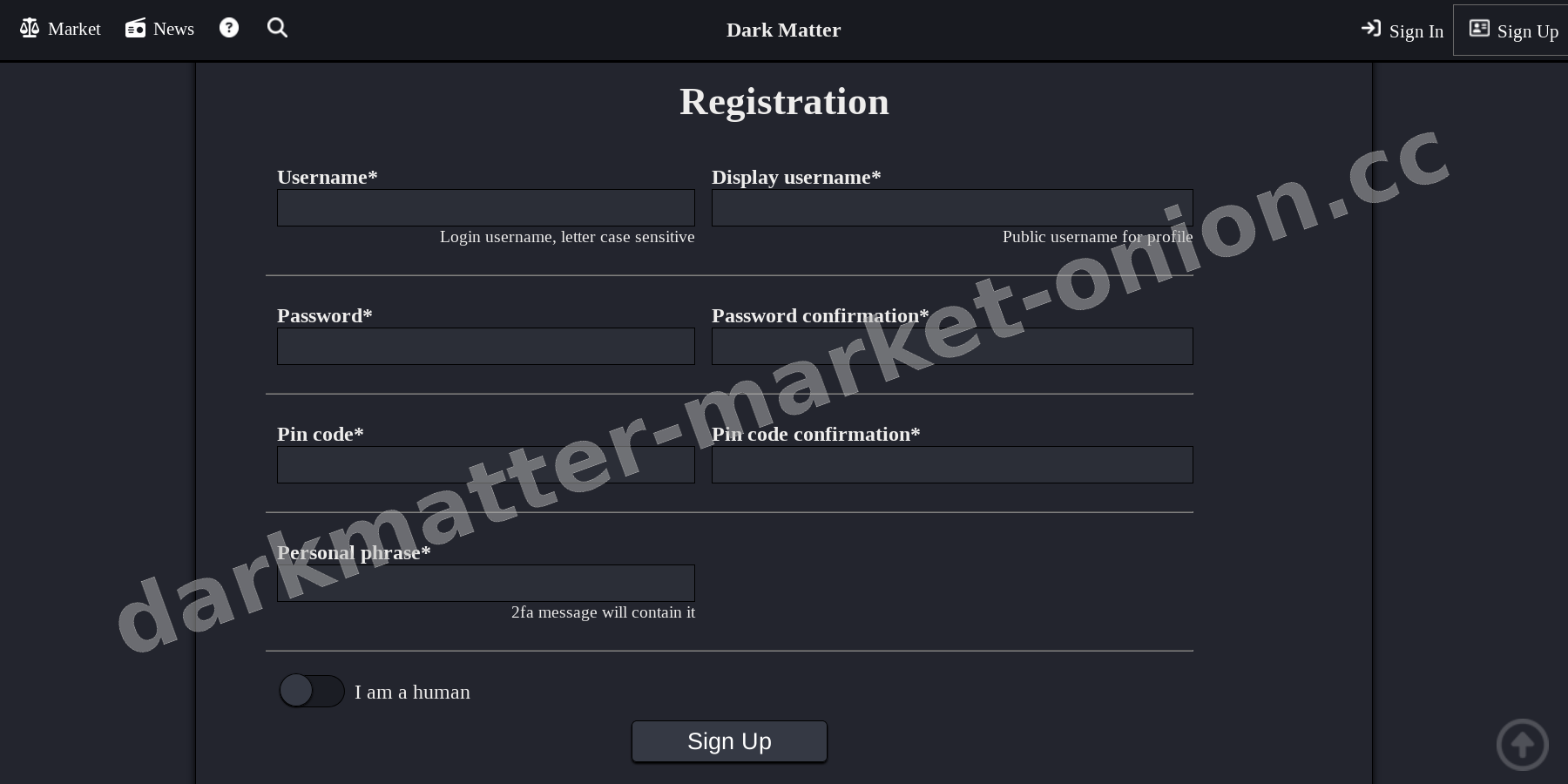
4. Cryptographic Interface Documentation


5. Infrastructure Statistics
Suppliers are required to submit cryptographic bonds to establish trading privileges, mitigating rapid turnover and ensuring commitment.
Through dynamic rotational mirrors, overall service availability maintains high resilience against synchronized packet flooding.
Complete rejection of transparent tokens in favor of ring signatures and stealth addresses to protect node interactions.